Wednesday, March 26, 2025

introduction to microbiology By Eric Azibataram

Introduction to microbiology  
 By your youngestmicrobiologist 
Eric Azibataram. Student of Federal University of otuoke 

Microbiology is the scientific study of microorganisms, which are tiny living organisms that are too small to be seen with the naked eye. Microbiology is the scientific study of microorganisms, including bacteria, viruses, fungi, and protozoa, encompassing their biology, structure, function, and impact on various aspects of life, health, and the environment. 
Microorganisms include 
1. Bacteria: Single-celled organisms that lack a nucleus and other membrane-bound organelles. 
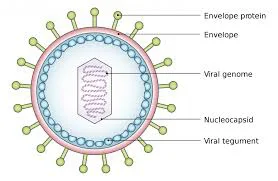
2. Viruses: Small particles that replicate inside the cells of living organisms. virus is a submicroscopic infectious agent that replicates only inside the living cells of an organism, infecting all life forms, from animals and plants to microorganisms, including bacteria and archaea. 
3. Fungi: Organisms that obtain their nutrients by decomposing organic matter or forming symbiotic relationships with other organisms. Fungi are a diverse group of eukaryotic organisms, including yeasts, molds, and mushrooms, that are heterotrophic and obtain nutrients by absorbing them from their surroundings, playing crucial roles in decomposition and various activities 
 Characteristics of Fungi:
Eukaryotic:
  • Fungi are eukaryotic organisms, meaning their cells have a nucleus and other membrane-bound organelles. Heterotrophic:
  • Unlike plants, fungi cannot produce their own food through photosynthesis. They obtain nutrients by absorbing organic matter from their environment. Cell Walls:
  • Fungi have cell walls made of chitin, a strong, flexible material, similar to the exoskeleton of insects and crustaceans. Diversity:
  • Fungi encompass a wide range of forms, from microscopic yeasts to multicellular molds and macroscopic mushrooms.
  • Decomposers:
  • Many fungi are decomposers, breaking down dead organic matter .
4. Protozoa: Single-celled organisms that are capable of movement and possess a nucleus and other membrane-bound organelles.

Microbiology is a vast and interdisciplinary field that encompasses various aspects of microorganisms, including:
- Structure: The physical characteristics of microorganisms, such as their shape, size, and arrangement.
- Function: The biological processes that occur within microorganisms, such as metabolism, growth, and reproduction.
- Interactions: The relationships between microorganisms and their environment, including other organisms and ecosystems.
Microbiology has numerous applications in various fields, including:
- Medicine: Understanding the causes of infectious diseases and developing treatments and vaccines.
- Environmental Science: Studying the role of microorganisms in ecosystems and their impact on the environment.
- Food Science: Understanding the role of microorganisms in food production, preservation, and safety.
- Biotechnology: Using microorganisms to develop new products and technologies. 
Some of the key concepts in microbiology include:
microbial growth:
The increase in the number of microorganisms in a population.
- *microbial metabolism:
The chemical reactions that occur within microorganisms to sustain life.
- microbial genetics. 
The study of the genetic principles and mechanisms that govern microbial inheritance and variations. 
Understanding microbiology is essential for addressing various global challenges such as.
1. Infectious diseases: 
Developing effective treatments and vaccines to combat infectious diseases. 
2. Antimicrobial resistance: Understanding the mechanisms of antimicrobial resistance and developing strategies to combat it. 
3. Environmental sustainability*: Understanding the role of microorganisms in ecosystems and developing strategies to promote environmental sustainability.
 Microbiology is a vast field that encompasses various disciplines. Here are the main branches of microbiology:
1. Bacteriology
Study of bacteria, including their structure, function, metabolism, and interactions with the environment and other organisms.
2. Virology
Study of viruses, including their structure, replication, transmission, and interactions with host cells and organisms.
3. Mycology
Study of fungi, including their structure, function, metabolism, and interactions with the environment and other organisms.
4. Parasitology
Study of parasites, including their structure, function, metabolism, and interactions with host cells and organisms.
5. Immunology
Study of the immune system, including its structure, function, and responses to pathogens and other foreign substances.
 
6. Microbial Ecology
Study of the interactions between microorganisms and their environment, including other organisms and ecosystems.

7. Microbial Genetics
Study of the genetic principles and mechanisms that govern microbial inheritance, variation, and evolution.
8. Microbial Physiology
Study of the physiological processes that occur within microorganisms, including metabolism, transport, and regulation.
9. Food Microbiology
Study of the microorganisms that interact with food, including those that cause spoilage, foodborne illness, and food preservation.
10. Environmental Microbiology
Study of the microorganisms that interact with the environment, including those that play roles in ecosystem processes, pollution, and climate change.
11. Medical Microbiology
Study of the microorganisms that cause human disease, including their diagnosis, treatment, and prevention.
 
12. Industrial Microbiology
Study of the microorganisms that are used in industrial processes, including food production, pharmaceuticals, and biotechnology.

Let's dive deeper into Food Microbiology and Parasitology:
Food Microbiology:
Food Microbiology is the study of microorganisms that interact with food, Food microbiology is study of microorganisms in food, encompassing both beneficial and harmful roles, including spoilage, food production, and foodborne illnesses, encompassing bacteria, fungi, viruses, and parasites. 
 Beneficial microorganisms: 
Those that help preserve food, enhance flavor, and improve nutritional value (e.g., yeast, lactic acid bacteria).
- Pathogenic microorganisms: 
Those that cause foodborne illness (e.g., Salmonella, E. coli, Campylobacter).
- Spoilage microorganisms:
 Those that cause food spoilage and decay (e.g., mold, yeast).
Food Microbiology involves understanding:
- Microbial growth and survival: 
How microorganisms grow, survive, and interact with food.
- Food preservation:
 Methods to control microbial growth and prevent spoilage (e.g., refrigeration, canning, fermentation).
- Food safety: 
Strategies to prevent foodborne illness (e.g., proper handling, cooking, and storage). 
Food Parasitology:
Food Parasitology is the study of parasites that are transmitted through food, including:
- Protozoa: 
Single-celled parasites (e.g., Giardia, Cryptosporidium).
- Helminths: 
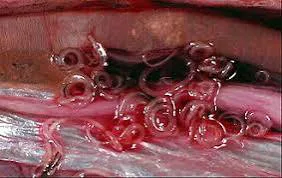
Multicellular parasites (e.g., tapeworms, roundworms).
- Trematodes: 
Flukes (e.g., liver fluke).
Food Parasitology involves understanding:
- Parasite transmission: 
How parasites are transmitted through food (e.g., contaminated water, undercooked meat).
- Parasite detection: 
Methods to detect parasites in food (e.g., microscopy, PCR).
- Parasite control: 
Strategies to prevent parasite transmission through food (e.g., proper cooking, freezing, and handling).
Some common foodborne parasites include:
1. Trichinella : 
Found in undercooked pork, wild game, and other meats.
2. Anisakis : Found in raw or undercooked fish. Anisakis is a genus of parasitic nematodes that have life cycles involving fish and marine mammals. They are infective to humans and cause anisakiasis.
3. Cyclospora : Found in contaminated produce, such as berries and leafy greens.
Cyclospora is a microscopic parasite, specifically Cyclospora cayetanensis, that causes an intestinal illness called cyclosporiasis, characterized by watery diarrhea and other symptoms, and is transmitted through contaminated food or water. 

Understanding Food Microbiology and Parasitology is crucial for:
1.Food safety: 
Preventing foodborne illness and ensuring a safe food supply.
2.Food quality: Maintaining food quality and preventing spoilage.
3. Public health: Protecting public health by controlling foodborne pathogens and parasites.

Reference:
International Baccalaureate International Baccalaureate Organization

Emeritus Vice President for Graduate Studies and Research; Emeritus Professor of Microbiology, University of Maryland, College Park. Emeritus President, Council of Graduate Schools. Coauthor of Microbiology; https://www.britannica.com/science/bacteria/Bacteria-in-industry

The University of Texas Medical Branch at Galveston.
Join our social media @+2348158907496
Subscribe for more @ youngestmicrobiologist

Tuesday, March 25, 2025

scientific importance of bitter leaf by Eric Azibataram

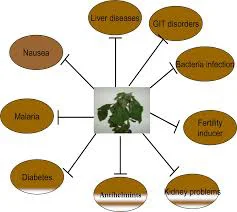
Bitter leaf, scientifically known as Vernonia amygdalina, is a plant with numerous traditional medicinal uses, including potential benefits for digestion, inflammation, and overall health. 


Description
Perennial
Bitter leaf is native to the eastern and western parts of Africa where it grows wild along water ways, in grassland and at the edges of forests.
It is a shrub or small tree up to 2 - 5m with elliptical green leaves up to 20cm. long.
Bitter leaf as the name implies is a bitter plant, whose leaf extracts, stems, and barks are used for culinary, medical, and curative purposes.
It likes direct sunlight and water in well-drained soil.
Culinary Uses
In many African countries the leaves are used as a staple vegetable in soups and stews.
Due to its bitterness the leaves are washed several times after which they are dried and used to prepare meat dishes.
Fresh Bitter leaf can be squeezed or blended like smoothies and drink as juice, you can boil it and drink as tea or add a little bit with other greens in your salad.
Consume by chewing the tender stem to release a bitter liquid.
Pound the fresh leaves in a mortar and press out the juice.
Add a pinch of salt to three tablespoons of the undiluted liquid and drink.
Here's a closer look at some of the potential health benefits of bitter leaf:
    Digestive Health:

Aids Digestion:
Bitter leaf is believed to stimulate the production of digestive enzymes and juices, which can help in breaking down food and absorbing nutrients effectively. 
Promotes Healthy Gut:
It's a good source of fiber, which is crucial for gut health and can help prevent constipation and other digestive problems. 
Mild Laxative Properties:
Some believe bitter leaf has mild laxative properties, which can aid in relieving digestive discomfort. 
Anti-inflammatory and Antimicrobial Properties:
Reduces Inflammation:
Bitter leaf possesses anti-inflammatory properties that may help manage inflammatory conditions.
Antimicrobial Effects:
Studies have indicated that extracts from bitter leaf may have antimicrobial properties, which could be valuable in combating certain infections.
Improves Skin Health:
The anti-inflammatory and antimicrobial properties of bitter leaf can improve skin health by treating conditions like acne and rashes. 
Medicinal Uses. 
It is said that Bitter Leaf contains vitamin A, C, E, B1 and B12.
It is rich in quinine, a compound which has been demonstrated to cure malaria, clean the liver, lymphatic system, and lungs.
Bitter leaf can aid up metabolism to help one lose weight because of nutrients like zinc, iron, fiber, and carbohydrate contained in it.
The antioxidant in Bitter leaf contributes to positive gastric effects that provide protection from stomach ulcers.
The high levels of vitamins, minerals, and phytochemicals such as flavonoids may help protect against prostate cancer.
By drinking a Bitter leaf solution at night before bed will bring on a calmness and relaxation that helps relieve insomnia.
Bitter Leaf may enhance fertility - a study in the International Journal of Reproductive Biomedicine has shown that it may have a positive effect on sperm quality.
The generally high levels of vitamins and minerals in Bitter leaf are beneficial to overall health, so will be beneficial to a couple trying to conceive.
Fever – it contains flavonoids, which have powerful antioxidant effects that can help with treating high fevers.
It was historically used in traditional medicine for the treatment of the bacterial infection typhoid fever.
Diabetes - Research published in the International Journal of Biological and Chemical Sciences demonstrates that the presence of phytochemicals, vitamins, and other nutrients such as proteins, lipids, carbohydrates, and ash are thought to act together to lower blood sugar levels.
Bitter leaf contains Vitamin C which is a great antioxidant mineral that plays a vital role in the body, including the maintenance of bones and teeth.
Osteoporosis - it also contains traces of vitamin K which helps the body to maintain healthy bones and prevents the weakening of bone tissue.
Bitter leaf improves metabolic function – it contains Vitamin B1, also known as thiamine, that plays an important role in the metabolism of lipids, amino acids, and glucose in the human body.
Thiamine is an important dietary supplement that helps to oxidize fatty acids.
Free radicals - Another nutrient in bitter leaf is vitamin E, which serves as an antioxidant fighting against free radicals that have harmful effects on the body’s system.
Prominent phytochemicals in bitter leaf include vernodalin, vernolepin, vernonioside, vernomygdin, and others. Further research to ensure the conservation of the plant and the sustainability of practices associated with it is paramount.
Written and edited by . Eric Azibataram
Contact us @.+2348158907496
Reference :
Abdulmalik O, Oladapo OO, Bolaji MO (2016) Effect of aqueous extract of Vernonia amygdalina on atherosclerosis in rabbits. ARYA Atheroscler 12(1):35–40

PubMed


Abosi AO, Raseroka BH (2003) In vivo antimalarial activity of Vernonia amygdalina. Br J Biomed Sci 60(2):89–91. https://doi.org/10.1080/09674845.2003.11783680

 
Aboyeji CM (2019) Impact of green manures of Vernonia amygdalina and Chromolaena odorata on growth, yield, mineral and proximate composition of radish (Raphanus sativus L.). Sci Rep 9(1):17659. 

Article


Achuba FI (2018) Role of bitter leaf (Vernonia amygdalina) extract in prevention of renal toxicity induced by crude petroleum contaminated diets in rats. Int J Vet Sci Med 6(2):172–177. 

Article
 

South Korea struggles to contain deadly wildfires, forcing mass evacuations by Eric Azibataram

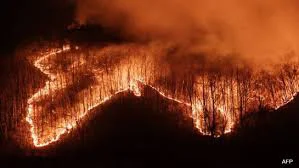
South Korea is battling one of its worst wildfire seasons in recent history, with over a dozen blazes erupting across the country, claiming four lives, and forcing thousands to evacuate. The government has declared a state of emergency in four regions, citing "extensive damage" caused by the simultaneous wildfires ¹.

The fires, which started over the weekend, have burned thousands of hectares of land, with the damage expected to make them the third-largest in the nation's history. More than 3,000 people have been evacuated to shelters, and at least 11 people have been seriously injured ¹.
Strong winds, dry weather, and haze are hampering firefighting efforts, with over 6,700 firefighters deployed to battle the wildfires. The government has mobilized all available resources to contain the fires, with nearly two-fifths of the personnel dispatched to Uiseong, one of the worst-affected areas 

The economic impact of the wildfires is also a concern, with the tourism sector expected to take a hit. The affected areas are popular tourist destinations, with many natural attractions, including national parks and hiking trails, damaged or inaccessible ².
collectively the third-largest in South Korea's history. The largest was an April 2000 blaze that scorched 23,913 hectares (59,090 acres) across the east coast.
More than 3,000 people have been evacuated to shelters, Ko said. At least 11 people have been seriously injured.

"Strong winds, dry weather, and haze are hampering firefighting efforts," Ko told a disaster and safety meeting.

The government is "mobilising all available resources", he said.

In Uiseong, the sky was full of smoke and haze, AFP reporters saw. Workers at a local temple were attempting to move historical artefacts and cover up Buddhist statues to protect them from possible damage.

The Korea Forest Service said the containment rate for the fire in Uiseong decreased from 60 to 55 percent by Tuesday morning.

More than 6,700 firefighters have been deployed to battle the wildfires, according to the Ministry of Interior and Safety, with nearly two-fifths of the personnel dispatched to Uiseong.

The government declared a state of emergency in four regions, citing "the extensive damage caused by simultaneous wildfires across the country".
Family grave

Some types of extreme weather have a well-established link with climate change, such as heatwaves or heavy rainfall.

Other phenomena, such as forest fires, droughts, snowstorms and tropical storms can result from a combination of complex factors.

In Daegu and the North Gyeongsang region, "the air is extremely dry and strong winds are blowing, creating the risk that even a small spark could quickly spread into a large wildfire", an official from the local meteorological administration said.
The fire in Uiseong was reportedly caused by an individual visiting a family grave.

The person told emergency services: 
"I accidentally started the fire while cleaning the grave site," according to local media.

South Korea's acting president confirmed this was likely the case.

"The wildfire is believed to have been caused by an individual who was visiting an ancestral grave and accidentally started the blaze," Prime Minister Han Duck-soo said during a cabinet meeting on Tuesday.

"Most wildfires are caused by human negligence and the public should strictly follow wildfire prevention guidelines," he added.

South Korea's neighbouring Japan was also experiencing wildfires, with hundreds of firefighters battling a blaze in Imabari city of western Ehime region since Sunday.

Another wildfire, which also started on Sunday, was affecting the city of Okayama, burning around 250 hectares and damaging six buildings.

Japan saw the country's worst wildfire in more than half a century early this month. It engulfed about 2,900 hectares — around half the size of Manhattan — and killed at least one person.
The government has pledged to provide support to those affected by the fires, including financial assistance to displaced residents and businesses. The recovery efforts are expected to take several days or even weeks, with the government working to restore essential services and infrastructure 

Composed by. Eric Azibataram
Phone us @. +2348158907496

Rivers State Administrator, Ibas Appoints New SSG, Worika

The Sole Administrator of Rivers State, Ibok-Ete Ibas, has appointed Professor Ibibia Lucky Worika as the new Secretary to the State Government (SSG).
In a statement issued on Tuesday, Ibas announced that the appointment of Worika takes immediate effect.


The administrator emphasized that the decision was made after a careful evaluation of Worika’s credentials, extensive experience, and strong performance throughout a rigorous selection process.
“Professor Worika holds a Ph.D. in International Environmental and Comparative Petroleum Law & Policy from the University of Dundee, United Kingdom. He has served in prestigious roles across academia, international organizations, and government advisory capacities,” the statement read.

Ibas further stated that Worika’s appointment aligns with the administration’s commitment to leveraging the immense human capital of the Rivers people to foster peace, stability, and security in the state.

In a related development, Ibas also announced the resignation of George Nwaeke as the Head of Service (HoS) of Rivers State.

Expressing gratitude for Nwaeke’s contributions, Ibas wished him success in his future endeavors.

“His Excellency, The Administrator appreciates the immense contributions he has shown this administration in the short period he served and wishes him well in his future endeavors,” the statement said.

As an interim measure, Dr. Mrs. Iyingi Brown, the Permanent Secretary for Welfare in the Office of the Head of Service, has been appointed to serve as Acting Head of Service until a new appointment is made.

In his remarks, Ibas reaffirmed his commitment to neutrality, peace, and stability in Rivers State, assuring the public that his administration would continue to focus on these principles.

Ibas, who was sworn in by President Bola Tinubu on March 19 following the declaration of a state of emergency in Rivers, is working towards restoring order and governance stability in the state.
Composed by. Eric Azibataram
Contact us @.+2348158907496

The Journey of Eric Azibataram

​ ​ The Foundations of Otuogidi ​The journey of Eric Azibataram , a native of the Otuogidi community in the Ogbia Local Government Area , i...